A garden can be beautiful without being botanical
Every planted landscape contains plants; not every one maintains a botanical collection. A collection usually has a defined purpose, documented identity and a continuing programme of care. That purpose might be scientific research, conservation, teaching or the preservation of a particular cultivated group. A hotel garden can have great horticultural value without undertaking all these functions. The distinction helps you appreciate a place honestly rather than awarding it a scientific role it has never claimed.
Begin by asking what the estate collects and why. A named group of magnolias, an arboretum with recorded origins or a historic orchard may tell a more specific story than a broad claim of “rare plants”. Rarity itself needs context: scarce in cultivation, threatened in the wild and locally unusual are different descriptions.
Read the label, then read beyond it
A botanical name usually identifies genus and species; additional details may record a cultivar, geographic origin or accession number. An accession number connects a living plant to a record, not merely to a label in the soil. That record can contain acquisition information, propagation history and observations over time. Several plants may belong to one accession, while apparently identical specimens may have very different origins.
Labels are useful but not infallible. Names change as research develops, weather damages signs, and old records sometimes contain uncertainty. Photograph a label for your own reference without moving it or clearing nearby material. If the identity matters to your research, ask the garden team whether a current catalogue or collection description is available.
Look for the work that keeps a collection alive
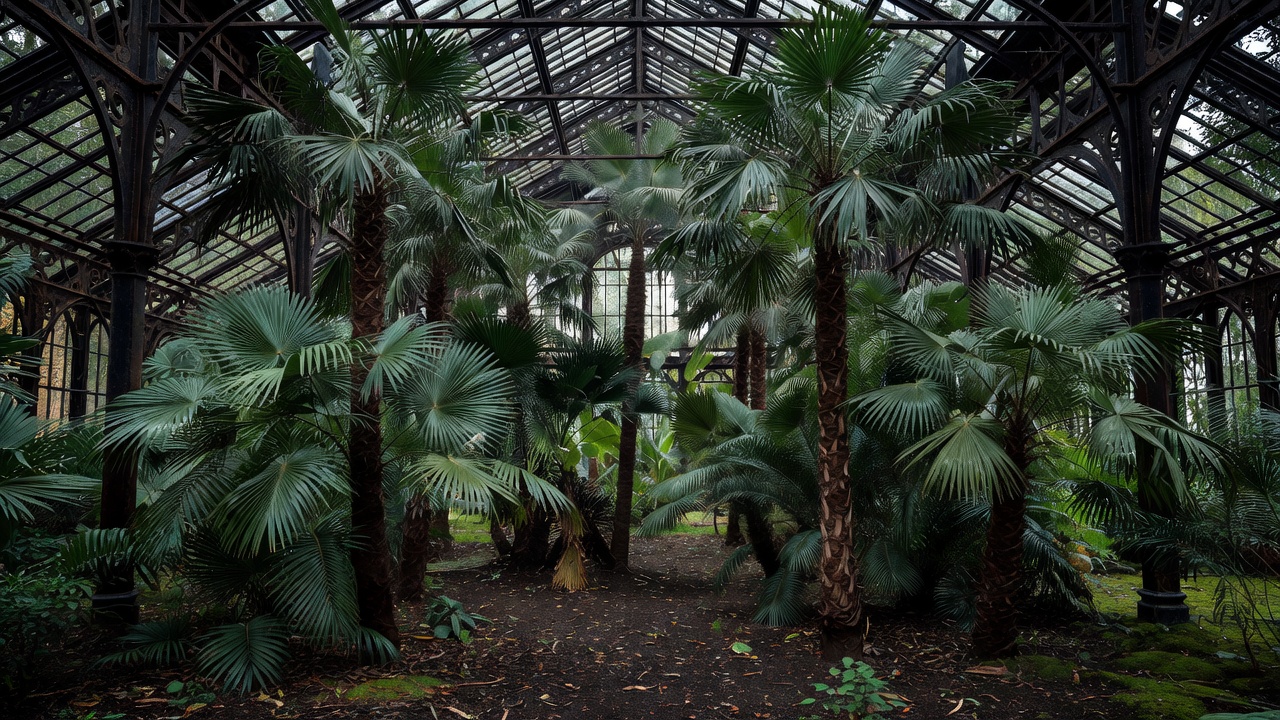
Propagation, quarantine, pruning and record-keeping are less visible than a flowering border, yet they determine whether a collection survives. Replacement plants may be raised years before an ageing specimen is removed. Glasshouse temperatures and ventilation respond to plant needs rather than visitor comfort. A temporarily closed house may be undergoing essential treatment, structural work or a change in growing conditions.
Herbarium specimens provide a different kind of continuity. Pressed, preserved material can support identification and research long after a living plant has died. Herbarium storage is not ordinarily a casual extension of a garden visit: collections may require appointments, supervision and controlled handling. Do not assume that staying on an estate grants access to archives, seed stores or scientific workspaces.
Choose a season for character, not certainty
Spring can reveal woodland structure through emerging leaves and bulbs; summer often brings fullness, scent and the busiest visitor periods. Autumn makes some trees easier to distinguish through fruit and foliage, while winter exposes framework, bark and the relationship between the house and its grounds. These are broad patterns, not a flowering calendar. Location, altitude, rainfall and recent weather may shift an expected display considerably.
For a particular plant, ask the garden for its usual local season and the current condition shortly before travel. Avoid booking around a single bloom unless you would still enjoy the estate without it. A quiet winter stay can offer exceptional views through bare branches, but shorter daylight, wet paths and restricted glasshouse opening may shape the experience.
Use reference gardens thoughtfully
Kew offers a model for understanding documented living collections, while the Royal Horticultural Society provides accessible guidance on plant names and garden practice. Sissinghurst Castle Garden, Hidcote and Great Dixter are useful places to study designed planting and successive horticultural decisions. They should not be treated as interchangeable institutions, nor does their inclusion here imply that guest accommodation is offered within their gardens.
For an estate that combines hospitality and garden interpretation, The Newt in Somerset is a useful starting point for reading the operator’s own descriptions. Establish exactly which garden experiences, memberships or tickets apply to your chosen stay. A sophisticated visitor experience does not eliminate the need to distinguish ornamental design, productive growing and conservation claims.
Observe without becoming a disturbance
Clean soil from footwear before moving between gardens, especially after walking in woodland or agricultural areas. Follow any additional biosecurity instructions rather than substituting your own treatment. Never take seeds, fruit, leaves or cuttings without explicit permission. Material that appears abundant may be part of a trial, needed for propagation or subject to legal restrictions on movement.
A good botanical visit leaves questions rather than damage. Record a plant name, sketch a branch pattern or note how a border changes in evening light. If a gardener is working, ask whether it is a suitable moment before beginning a conversation. The collection’s daily care comes first; your understanding grows more slowly, and is better for it.