Locate the room before imagining the stay
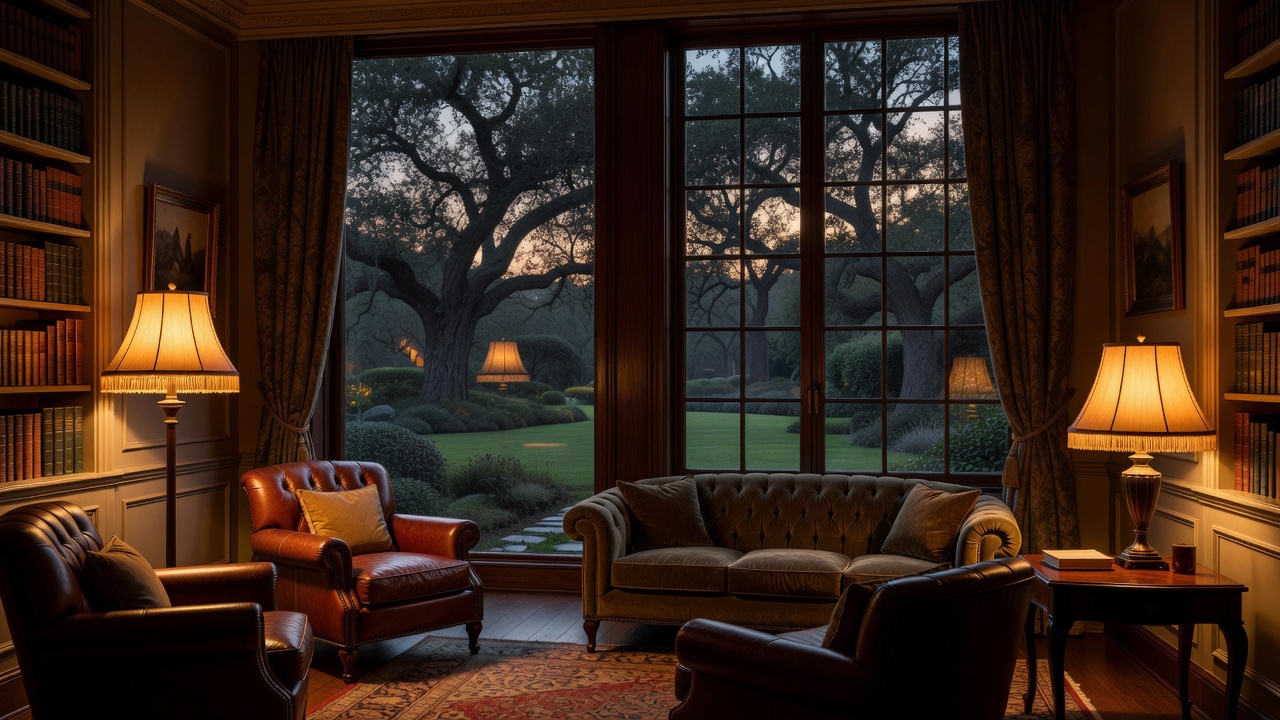
“On the estate” can describe a bedroom in the principal house, a courtyard conversion, a gate lodge or a contemporary building some distance from reception. None is inherently better. The important point is to understand the actual arrangement. Ask for the building name, its relationship to dining and the garden, and whether the route involves outdoor steps or an exposed walk. A short distance on a plan can feel very different in heavy rain after dinner.
A garden view is equally variable. It may mean an expansive vista, a glimpse through trees or an outlook towards a productive yard. If the view matters, request a description of the specific room rather than relying on a representative photograph. Seasonal foliage can change both the outlook and the amount of daylight reaching an interior.
Recognise adaptation rather than expecting a time capsule
Historic houses were not designed around contemporary bathrooms, fire strategies, luggage lifts or reliable wireless coverage. Converting them for guests requires decisions about routes, services and the survival of significant fabric. Good adaptation can be almost invisible, but it is never without choices. A new corridor, discreet extension or detached room building may reduce pressure on the most sensitive parts of a house.
Look for an explanation of what was retained, repaired or introduced. Conservation language is most useful when it describes specific work, not simply an atmosphere of age. Reused buildings can support continued care, but a hotel conversion does not automatically qualify every new feature as conservation. The architectural record and the operator’s account should help you understand the difference.
Ask practical questions without apologising
Quiet luxury depends on clear information. If sleep is a priority, ask about event spaces, service yards, connecting doors and early-morning maintenance. Garden machinery, deliveries and wedding preparations may be entirely reasonable parts of estate life while still affecting a particular room. “Peaceful grounds” is not a promise of silence at every hour or from every window.
Check heating, ventilation and cooling in plain terms. Thick walls may moderate temperature but cannot guarantee summer comfort; large historic windows may have restrictions on opening. Confirm whether a lift reaches the actual bedroom floor and whether there are intermediate steps. Properties should describe the current arrangement rather than asking you to infer it from the building’s age or a general accessibility statement.
Consider the whole route, not one accessible bedroom
An accessible room is only one part of a usable stay. The arrival surface, reception entrance, dining room, garden gates and paths all matter. Ask for measurements or photographs where these would help you assess suitability. Gravel depth, cross-slopes, narrow doors and changes in level may be more informative than broad labels such as “easy access”. Requirements differ, so explain what you need rather than accepting a single category.
The same applies to sensory needs and fatigue. A long route to breakfast or a dimly lit courtyard can change the experience substantially. Heritage protection does not remove the need for accurate information. Where adaptations are limited, a thoughtful operator should be able to discuss alternatives and the practical boundaries of the site.
Read inclusions as carefully as interiors
A room rate may include some garden entry but exclude special exhibitions, guided walks, transport or visits to associated sites. Private tours and early access should be confirmed in writing if they determine your choice. Also check whether access begins before check-in, continues after check-out or applies only during normal public hours. Do not assume a restaurant reservation carries the same privileges as an overnight stay.
Compare terms rather than headline price alone. Cancellation rules, minimum stays, meal arrangements and seasonal closures can matter more than a category name. This website does not display live rates or availability, and our examples do not constitute offers. Make contractual arrangements directly with the property or your chosen booking provider after checking the details that matter to you.
Choose a stay that supports the landscape
Ballyfin, Gravetye Manor, Heckfield Place and The Newt in Somerset provide different documented examples of hospitality connected with estate landscapes. Use their official sites to investigate current room locations and garden relationships. We do not rank them as equivalent botanical institutions, inspect every room or imply that any particular access privilege is included. Each example is an invitation to ask more precise questions.
During a stay, modest choices can help: accept reasonable linen arrangements, avoid requesting access to closed conservation areas and follow guidance about fragile interiors. Enjoying a historic house need not mean treating it as a museum, but neither should comfort require every inherited feature to disappear. The most rewarding stays make that balance visible, understandable and quietly workable.