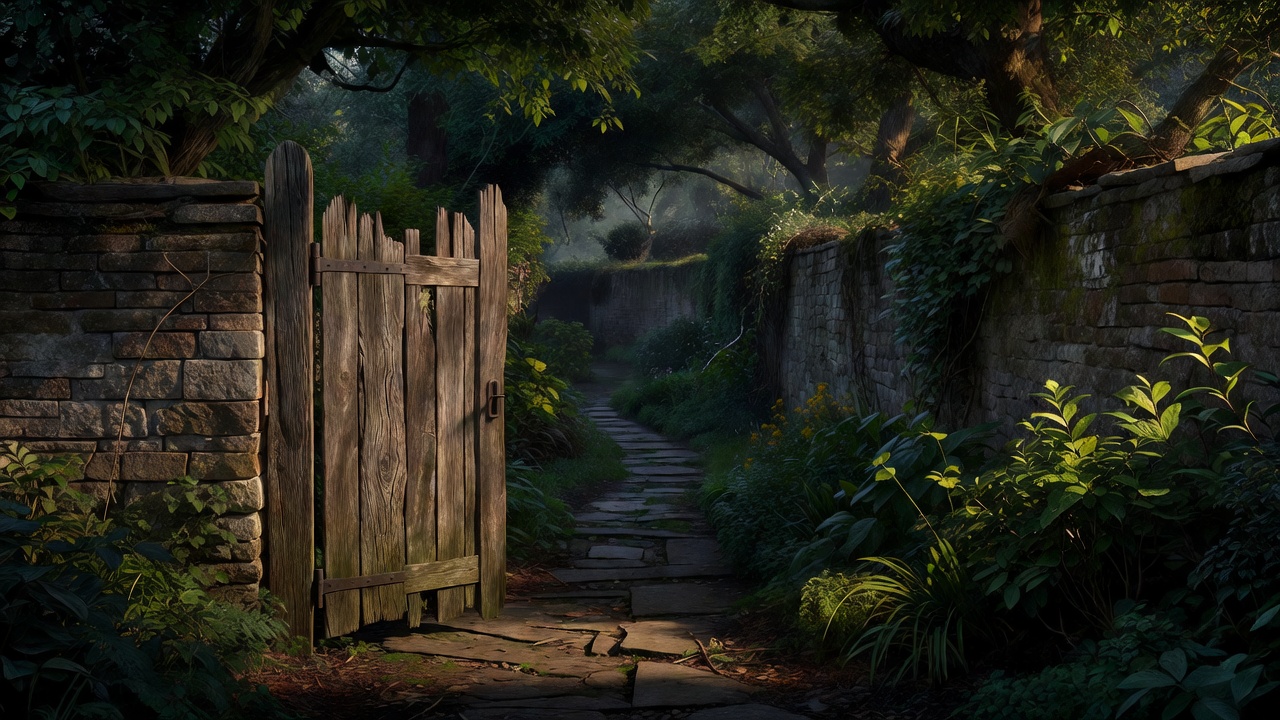
Separate three different permissions
Accommodation access, garden admission and specialist access are separate arrangements. Your room key may open guest facilities while the garden requires a ticket, a membership or a timed entry. A guided visit to a glasshouse, archive or productive area may require another reservation entirely. Treat each as its own question. This is especially important where a hotel shares a wider estate with a public attraction, tenant, trust or independently managed collection.
Ask who sets the rules for the area you want to visit. Reception can often help, but the garden team may hold the most accurate information about path closures, tours and plant-related restrictions. Where advice conflicts, request a current written clarification rather than relying on a past review or an account from another guest.
Confirm the boundaries before you commit
Start with a map and identify the entrance used by overnight guests. Then ask which areas are included, during which hours and on which days of your stay. Check whether arrival-day access is possible before the room is ready and whether entry continues after check-out. If early-morning or evening walking is important, name that expectation explicitly. A photograph of an empty garden at sunrise does not establish that guests can enter then.
Ask about temporary exclusions as well as normal arrangements. Weddings, private functions, tree work and conservation projects can change access without altering a property’s general description. Essential safety closures may occur at short notice. If a particular garden area is the reason for your trip, understand the booking terms and the operator’s approach to material changes before paying.
Build a seasonal plan with room to change
An explanatory calendar is more useful than a promise of perfect flowers. In spring, allow for soft ground and uneven temperatures. In summer, consider heat, visitor numbers and the distance between shaded resting places. Autumn may bring wet leaves and shorter opening hours. Winter can reveal striking views, but darkness arrives earlier and some facilities may operate less frequently. Local conditions matter more than a generic national season.
Use the seasonal notes beside this article as prompts, not as live availability or a forecast. For a specific specimen, event or route, consult the estate shortly before travel. Build an alternative into the day: a permitted indoor collection, a nearby public garden or a shorter walk. Do not treat a closure as an invitation to find an unofficial way around it.
Check the route against your own needs
Historic landscapes can contain gravel, grass, cobbles, narrow bridges and steep changes of level. Ask about the actual route to the features you want to see, including gates, toilets and resting places. A site may have an accessible entrance but no step-free connection to a particular terrace. Photographs and distances can help, while a general assurance of suitability may not answer your individual requirements.
If travelling without a car, confirm the final approach. The vehicle entrance may be far from the pedestrian gate, and rural public transport can stop before dinner or on certain days. Ask whether luggage can be stored while you walk, whether a transfer is available and what happens if you arrive after garden closing. These details belong in the plan, not in the last few minutes of the journey.
Know the rules for cameras, dogs and children
Personal photography may be welcome while tripods, commercial shoots and drones require permission or are prohibited. Avoid blocking paths or stepping into beds to improve a composition. Respect other guests and private interiors. A quiet setting does not remove privacy expectations, and a public-facing garden does not make every part of the estate suitable for publication.
Dog policies can differ between bedrooms, dining spaces, public paths and collection areas; assistance-animal arrangements should be discussed directly where needed. Families should check water features, uneven terrain and any rules for supervised activities. Never assume that a pet-friendly hotel offers dog access to every garden, or that extensive grounds automatically provide unrestricted play space.
Leave the collection ready for the next visitor
Keep to designated paths and clean footwear before moving between sites. Follow local biosecurity instructions, leave fallen material where it lies and avoid touching plants marked as delicate or hazardous. Do not enter a nursery, propagation house or staff gate because it happens to be open. Working landscapes require unglamorous boundaries, and respecting them supports the experience you came to enjoy.
Before leaving, record what you learned and any uncertainties you would like to resolve later. Our local estate-note composer can help organise questions without submitting them anywhere. Copy or download the note, then choose whether to contact the property directly. A well-prepared visit is not one with every minute controlled; it is one in which changes can be accepted without losing the landscape’s meaning.